Skip to content
Thattekad Bird Sanctuary

Located in the heart of Kerala’s Western Ghats, Thattekad Bird Sanctuary is one of India’s finest birdwatching destinations, Known for its remarkable biodiversity and beautiful forest landscapes, the sanctuary attracts birders, photographers, and nature lovers from around the world.

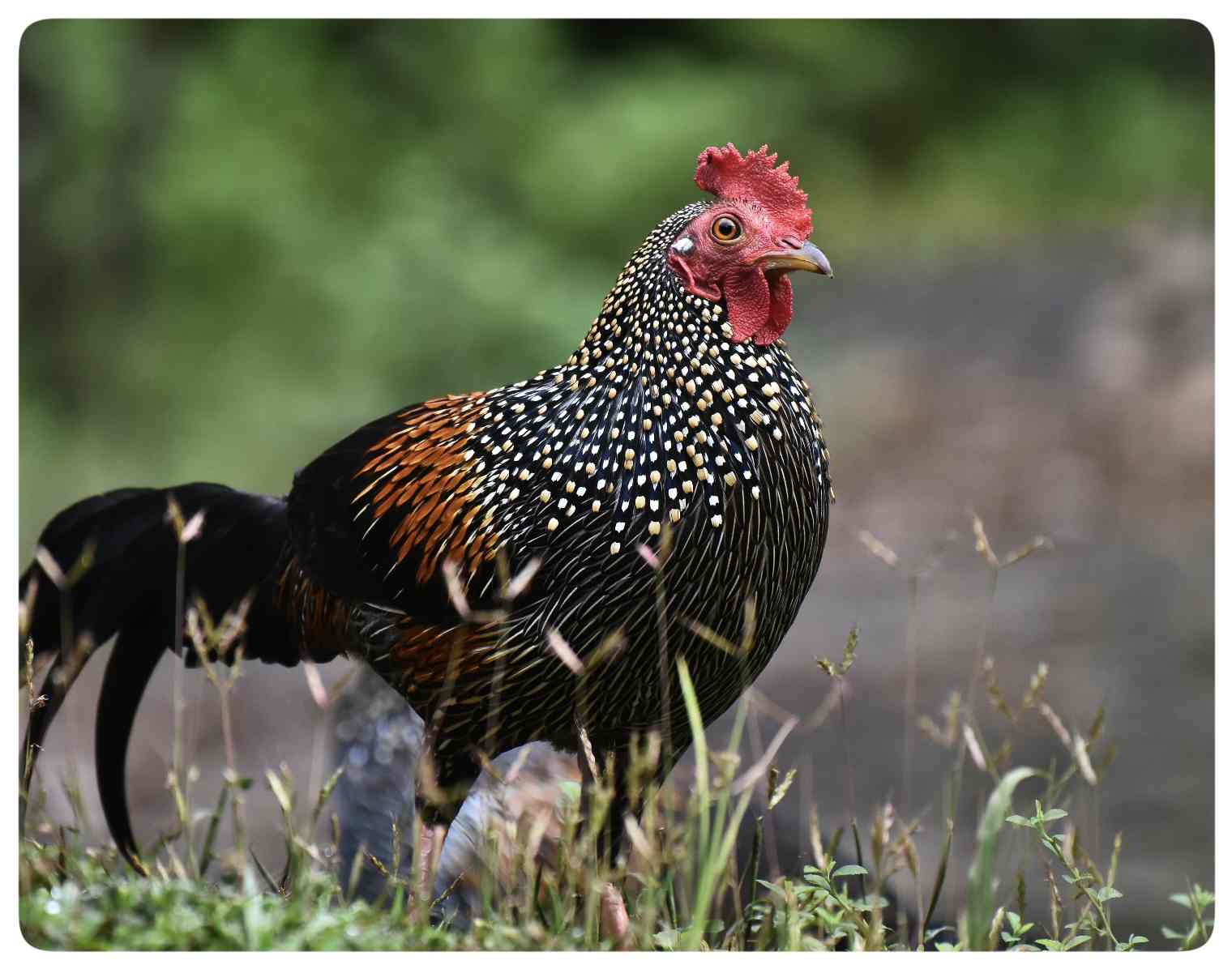
the sanctuary is home to a rich variety of resident and migratory birds, including many species endemic to the Western Ghats. Its diverse habitats ranging from evergreen forests and riverine woodlands to open scrub and wetlands provide excellent opportunities for birdwatching throughout the year.

Visitors can explore peaceful forest trails while searching for some of South India’s most sought-after birds. The area is also rich in butterflies, mammals, and other wildlife, making every outing a rewarding nature experience.

Thattekad offers exceptional birding in every season, with the months from October to March being especially popular due to pleasant weather and the arrival of migratory species. Early mornings are often the most productive, when the forest is alive with birdsong and activity. Whether you are a dedicated birder, wildlife photographer, or simply someone who enjoys nature, Thattekad Bird Sanctuary provides an unforgettable experience in one of Kerala’s most biodiverse landscapes. Its rich birdlife, scenic beauty, and tranquil atmosphere make it a must visit destination for anyone interested in the natural heritage of South India.


 Thattekad Bird Sanctuary Entry Fee

Adults – 60.00

Children – 45.00

Foreigners – 200.00

Still Camera – 45.00

Video Camera – 255.00

Official Bird Sanctuary Timings

The Bird Sanctuary is open daily from  7.00 am to 5.00  pm. Early morning and late afternoon are the best times to enjoy birdwatching, as many species are most active during these hours.

The best time to visit is from October to April when the weather is pleasant and bird activity is at its peak. This period offers excellent opportunities for birdwatching, wildlife photography, and exploring the sanctuary’s rich biodiversity.