Thattekad Bird Sanctuary: Kerala’s premier Birdwatching Destination
Located along the foothills of the Western Ghats in Kerala, Thattekad Bird Sanctuary one of India’s most celebrated birdwatching destinations. known for its remarkable bird diversity and beautiful tropical forests, the sanctuary attracts birders, wildlife photographers, and nature enthusiasts from around the world.
Established in 1983, Thattekad protects a mosaic of evergreen forests, riverine habitats, plantations, and open woodlands. These varied ecosystems support an extraordinary range of wildlife, making the sanctuary one of the richest birding areas in South India.
A paradise for Birdwatchers
Mor than 300 bird species have been recorded in and around Thattekad, Including many of the Western Ghats’ endemic and near-endemic species. The sanctuary is particularly famous for its excellent opportunities to observe sough-after birds such as the Malabar Trogon, Sri Lanka Frogmouth, white-bellied Treepie, Malabar Grey Hornbill, Crimson-backed Sunbird, and Rufous Babbler.
The combination of dense forest, open habitats, and nearby wetlands creates ideal conditions for both resident and migratory birds. Every season offers new birding opportunities, making Thattekad a rewarding destination throughout the year.
More Than Just Birds
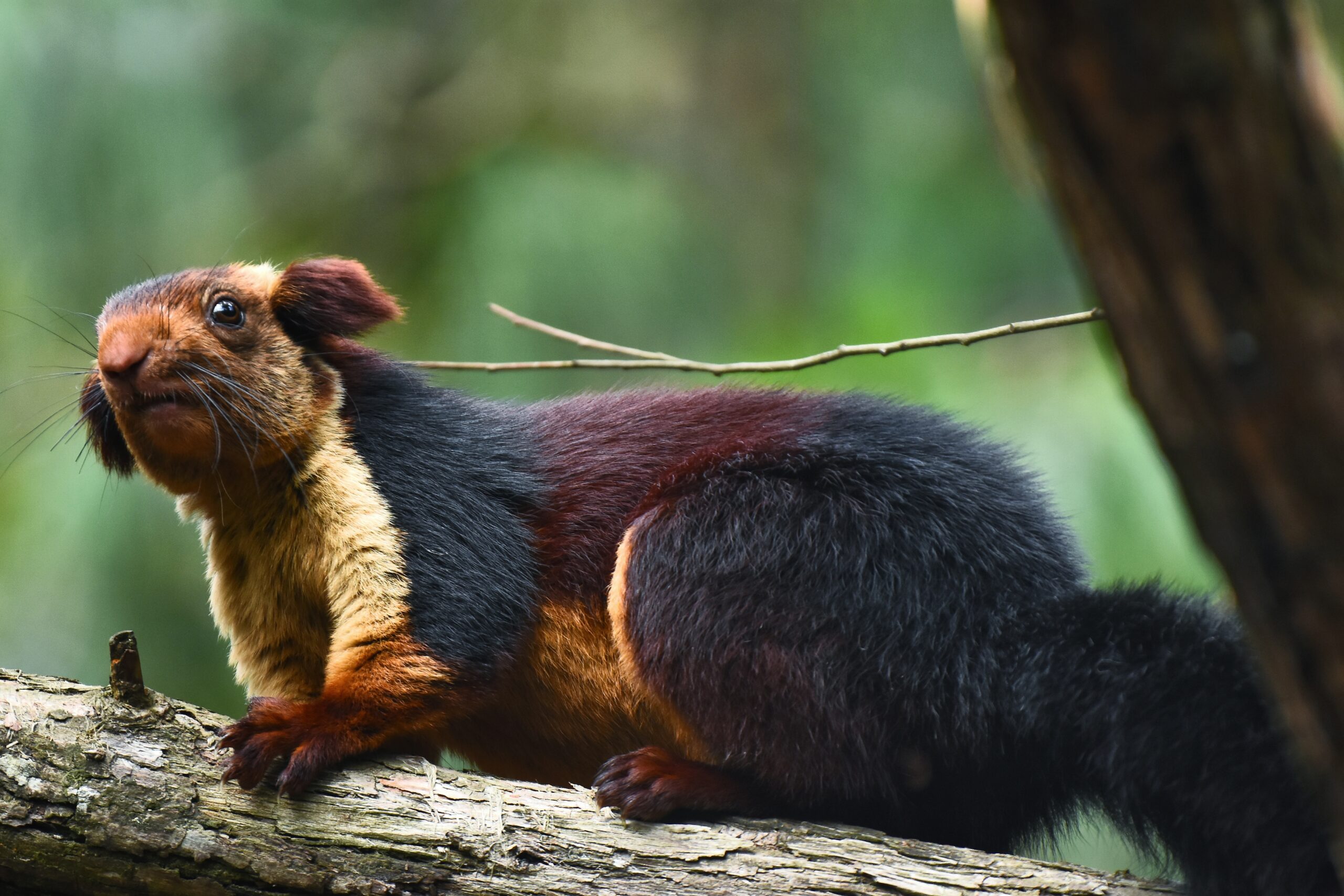
Although best known for birdwatching, Thattekad also supports a variety of other wildlife. Visitors may encounter mammals such as Indian Giant Squirrel, Bonnet Macaque, and several species of bats and reptiles. The Sanctuary’s rich biodiversity makes it an excellent destination for nature photography and wildlife observation.
The Importance of Thattekad in South India Birding
Thattekad Bird Sanctuary is often considered the gateway to birding in the Western Ghats. Its strategic location allows visitors to combine their trip with other renowned birding destinations, including Munnar, Periyar, Valparai, Chinnar, and the Nilgiri Hills, Together, these locations offer one of the finest birdwatching experiences in Asia, showcasing an impressive diversity of habitats and bird species. For many international birders, Thattekad is the ideal introduction to the unique avian treasures of South India and an essential destination for observing Western Ghats endemics.
Best Time to Visit Thattekad Bird Sanctuary
Birdwatching is rewarding throughout the year, but the period from October to April is generally considered the best time to visit. Pleasant weather and the arrival of winter migrants make this season particularly attractive for birders an photographers. The monsoon months transform the sanctuary into a lush green landscape and provide excellent opportunities to experience the beauty of the rainforest and observe breeding behaviour among resident birds.
Explore the Birding Wonders of Kerala
Whether you are an experienced birder searching for endemic species or a nature lover looking for a peaceful escape, Thattekad Bird Sanctuary offers an unforgettable wildlife experience. Its rich biodiversity, scenic landscapes, and exceptional birdlife have earned it a reputation as one of the most important birdwatching destinations in India. A journey to Thattekad is more than a birding trip-it an opportunity to discover the extraordinary natural heritage of the Western Ghats and the incredible avian diversity of South India.
Types of Forests in Thattekad Bird Sanctuary
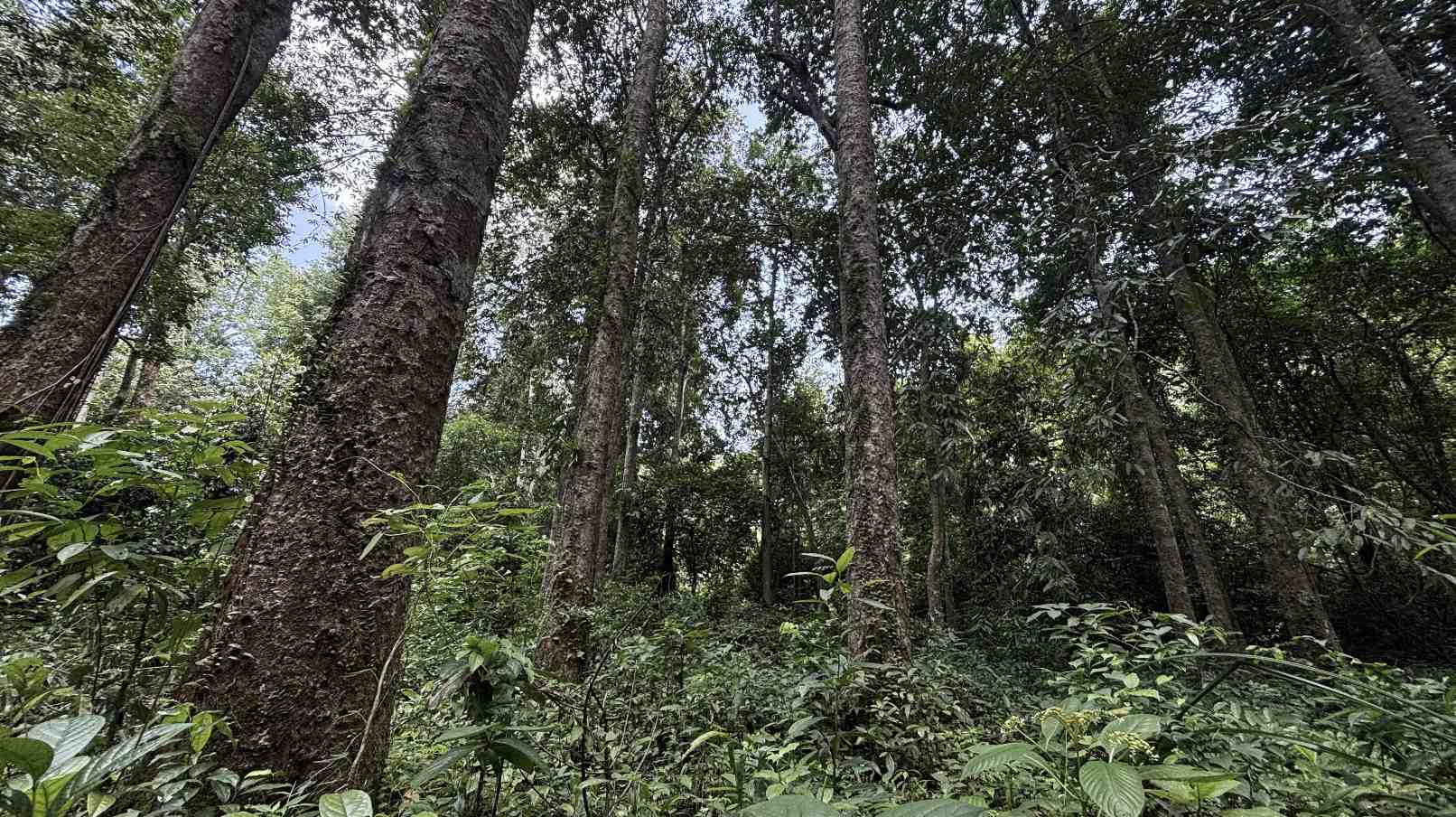
Thattekad Bird Sanctuary is home to a variety of forest habitats that support an impressive diversity of birds and wildlife. This unique blend of ecosystems makes it one of the premier birding destinations in the Western Ghats.
Tropical Evergreen Forest
Dense green forests that remain leafy throughout the year and support many endemic species.
Tropical Semi Evergreen Forest
A transition zone between evergreen and deciduous forests, with high plant and bird diversity.
Moist Deciduous Forest
Trees shed leaves during the dry season, creating a different habitat for wildlife.
Riparian (Riverine) Forest
Forests along the banks of the Periyar and Edamalayar Rivers, important for birds, mammals, and aquatic life.
Grassland Patches
Small open areas that provide habitat for insects, reptiles, and grassland birds.
Plantation Areas
Patches of teak, mahogany, rosewood, and other planted tree species occur within parts.
Myristica Swamps of the Western Ghats
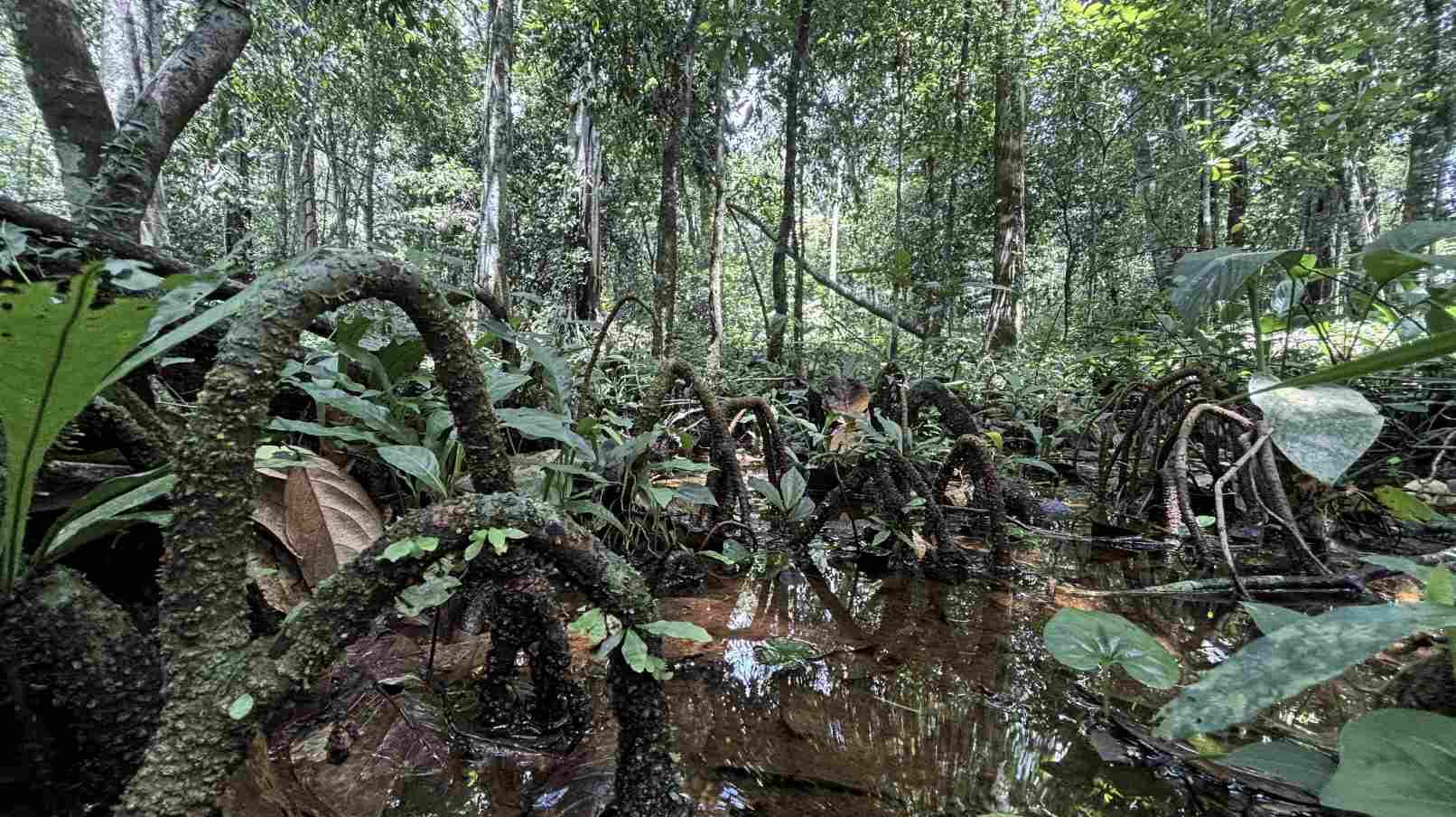
Myristica swamps are among the rarest and most ancient freshwater forest ecosystems in the Western Ghats. Named after the wild nutmeg trees (Myristica species) that dominate these forests, they remain waterlogged for much of the year and provide a unique habitat found in only a few locations in South India.
The trees have developed remarkable adaptations, including stilt roots and breathing roots, allowing them to thrive in permanently wet, oxygen-poor soils. These swamp forests play an important role in maintaining groundwater, reducing floods, storing carbon, and supporting healthy stream ecosystems.
Despite their small extent, Myristica swamps are biodiversity hotspots. They are home to many endemic plants, amphibians, reptiles, insects, and birds, making them a fascinating destination for nature lovers, birdwatchers, and wildlife photographers. Their quiet, undisturbed environment offers excellent opportunities to observe the rich biodiversity of the Western Ghats.
Because of their ecological importance and limited distribution, Myristica swamps are considered a high conservation priority. Protecting these ancient forests helps preserve one of the Western Ghats’ most unique natural habitats for future generations.
Entry Ticket
- Adults – 60.00
- Children – 45.00
- Foreigners – 200.00
- Still Camera – 45.00
- Video Camera – 255.00
Parking Charges
- Two Wheeler – 10.00
- Three Wheeler – 15.00
- LMV – 25.00
- HMV – 50.00
- Boating – 150 (per person)
Dr. Salim Ali – The Birdman of India
Dr. Salim Ali (1896-19870 was India’s most celebrated ornithologist and is widely known as the ”Birdman of India.” His passion for birds and nature transformed the study of ornithology in the country and inspired countless birdwatchers, researchers, and conservationists.
Through extensive field surveys and scientific research, Dr. Ali documented India’s rich birdlife and helped improve our understanding of bird distribution and behavior. His popular book, The Book of Indian Birds, introduced generations of people to birdwatching and remains an important reference for nature enthusiasts.
Dr. Ali also played a significant role in wildlife conservation. His efforts contributed to the protection of several important natural habitats and helped raise awareness about the need to conserve India’s biodiversity. Today, his legacy continues to inspire bird lovers across the world. His work laid the foundation for modern bird research and conservation in India, making him one of the most influential naturalists in the country’s history.
Dr. Salim Ali and Thattekad Bird Sanctuary
Dr. Salim Ali, widely known as the ‘Birdman of India,” played a vital role in birding international attention to the rich birdlife of Thattekad. During his surveys in the region, he recognized its exceptional biodiversity and described Thattekad as ” the richest bird habitat in peninsular India.” His recommendations were instrumental in the establishment of Thattekad Bird Sanctuary in 1983, making it Kerala’s first bird sanctuary. In recognition of his contributions to ornithology and conservation, the sanctuary is also known as DR. Salim Ali Bird Sanctuary.
Today, Thattekad is one of India’s leading birding destinations, attracting birdwatchers, photographers, nature lovers from around the world. Dr. Salim Ali’s legacy continues to inspire conservation efforts and highlights the importance of protecting the unique forests and wildlife of the Western Ghats.
The Western Ghats: A Natural Heritage Through Time
The Western Ghats, also known as the Sahyadri Hills, is one of the oldest mountain ranges in the world. Formed millions of years ago during the breakup of the ancient supercontinent Gondwana, these mountains have shaped the climate and biodiversity of southern India for centuries. Stretching for about 1,600 kilometres along India’s western cost, the Western Ghats act as a natural barrier to the monsoon winds, creating lush forests, numerous rivers, and a wide variety of habitats. The region has supported human communities since prehistoric times and played an important role in the historic spice trade. Today, the Western Ghats are recognised globally as one of the world’s most important biodiversity hotspots and unique species found nowhere else on Earth.
Best Time to Visit
Thattekad Bird Sanctuary can be visited throughout the year, but the best time for birdwatching is from October to April. During these months, the weather is pleasant, bird activity is high, and several migratory species can also be observed. The post-monsoon and winter seasons offer excellent opportunities for birdwatching, photography, and exploring the sanctuary’s rich biodiversity. The monsoon season from June to September brings lush green landscapes and breeding activity, making it an attractive time for nature enthusiasts and photographers.